Is Goat Yoga Ethical
Is Goat Yoga Ethical? A Downward Dog Deep Dive Into the Truth
Let’s start with a story. It does happen in NY Goat Yoga.
You’re at a serene farm, surrounded by green pastures and fresh air. You roll out your yoga mat, take a deep breath, and settle into child’s pose. Suddenly… a baby goat hops on your back. Cute? Absolutely. But somewhere in the back of your mind, a little voice asks:
“Wait—am I exploiting animals for a selfie?”
Welcome to the ethical debate around goat yoga.
As a yoga-loving human with a soft spot for animals and a nose for nuance, you’re not wrong to question this trend. It’s adorable, Instagrammable, and admittedly hilarious—but also layered.
So let’s stretch our understanding, explore both sides, and find your ethical savasana.
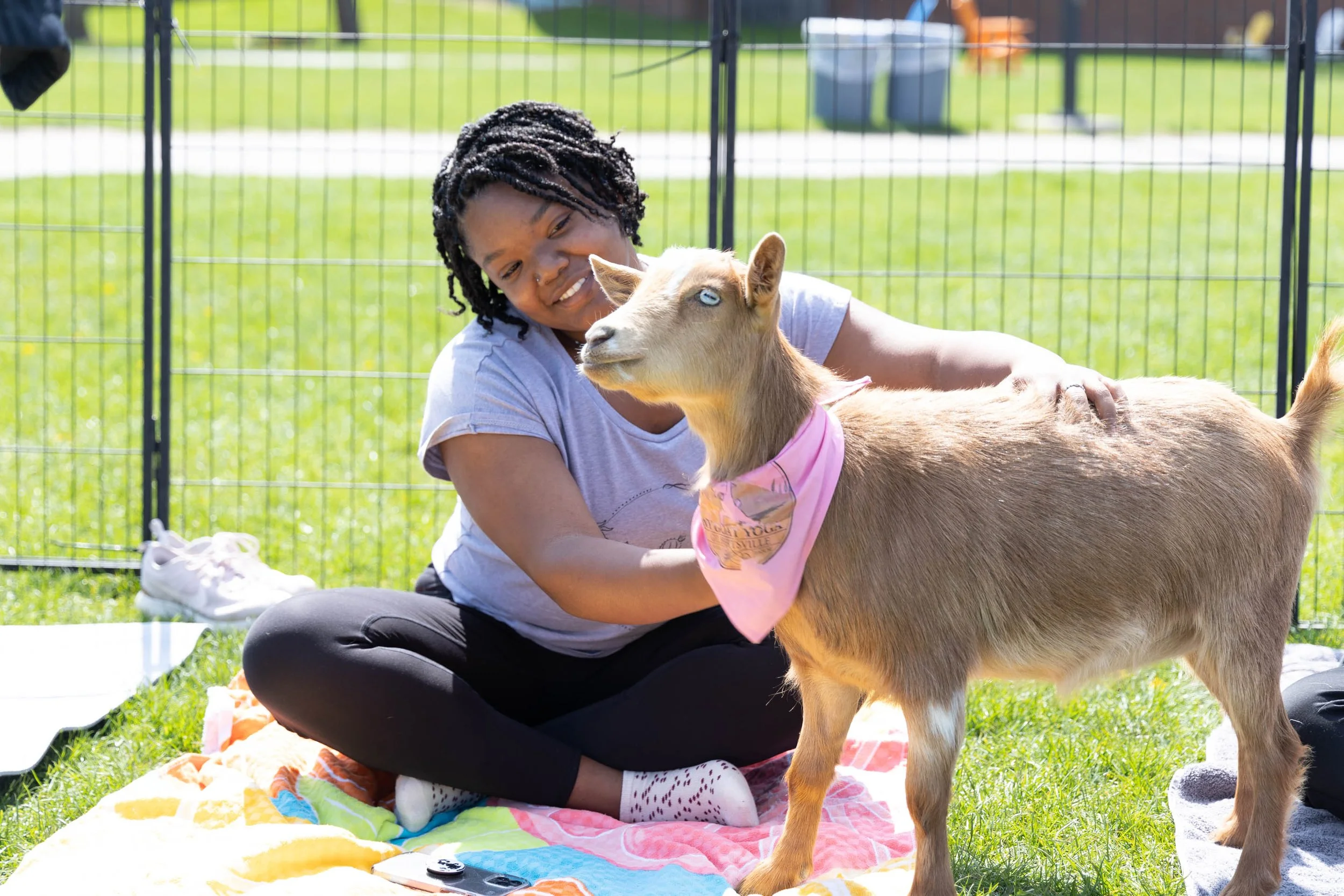
🐐The Ethical Goat Yoga Checklist
When it comes to evaluating whether goat yoga is ethical, we’ve got to consider three main pillars:
1. Animal Welfare
This is the goat in the room (sorry, had to). Are the animals treated well?
Green Flag:
Reputable goat yoga farms treat their goats like family. The animals roam freely, aren’t forced to participate, and are socialized to enjoy human interaction. These goats often have names, routines, health checks, and—yes—even preferences. Some love the attention; others nap in the corner. Consent is key (even with goats).
Red Flag:
On the flip side, if goats are:
Taken away from mothers too early
Confined for long hours without breaks
Stressed by constant handling or noise
Used purely as a photo-op without proper care
…then yes, that’s performative and problematic.
What to ask:
Are the goats raised on-site?
Do they have a veterinarian?
Is the class size small enough to ensure a calm environment?
If you wouldn’t want your dog in that situation, it’s a no.
2. Respecting Yoga as a Practice
Let’s not forget—yoga isn’t just about movement. It’s a sacred, philosophical tradition rooted in Indian culture.
Adding goats to yoga can raise eyebrows, especially among those who see it as diluting the spiritual integrity of the practice. Some call it “yoga-washing” — turning yoga into entertainment.
That said...
For many, goat yoga is an entry point. If it helps people connect with breath, stillness, and joy—especially those intimidated by a traditional studio—it can serve as a bridge.
The key is intention. If you're leading with mindfulness, awareness, and gratitude (instead of just snapping pics for the 'gram), you're honoring the heart of yoga.
3. Mindful Marketing vs. Exploitation
Let’s talk selfies, because we know you’re tempted. (Hey, a goat perched on your back during plank pose is comedy gold.)
But ethical goat yoga should never market the animals as accessories.
If a farm promotes “goat cuddles” without explaining how they care for their animals, or guarantees that “goats will climb on you every time,” that’s a red flag. Animals aren’t props, and there are no guarantees when it comes to their behavior.
The best experiences are the most authentic. If a goat chooses you mid-cobra, that’s magic. If it’s coerced… not so much.
💡 Can Goat Yoga Be Ethical?
Yes—with the right intentions, care, and farm practices, goat yoga can absolutely be ethical.
Here’s the TL;DR test:
✅ Are the goats healthy, happy, and free to opt in or out?
✅ Is the yoga itself respected, not mocked or minimized?
✅ Is the vibe educational, gentle, and joyful—not exploitative or gimmicky?
If yes, you’re likely supporting a practice that’s ethical, joyful, and even healing for humans and animals.
🧠 Bonus: What Science Says About Animal-Assisted Wellness
Still feeling conflicted? Let’s toss in some science.
Studies show that animal-assisted activities:
Lower cortisol levels (read: stress)
Increase oxytocin (the feel-good love hormone)
Enhance social connection and emotional regulation
For trauma survivors, anxious folks, or anyone who feels disoriented in traditional wellness spaces, the presence of gentle animals can open the door to healing.
In short: yes, goat yoga is “silly”—but that doesn’t mean it’s shallow.
🔍 What to Look For in a Truly Ethical Goat Yoga Class?
If you’re looking for a goat yoga experience that checks all the right boxes, here’s your mini checklist:
🟢 Farm-first, not influencer-first. Are they a real working farm, or just popping up for trends?
🟢 Goat personalities are respected. The farm knows who’s shy, who’s outgoing, and no one’s pushed.
🟢 Educators, not entertainers. Do they teach you about goat behavior, yoga philosophy, or animal care?
🟢 Class size is small. More space, less stress.
🟢 Reviews talk about the experience—not just the photo ops. This one’s telling.
🌿 Final Thoughts: Let Ethics Lead the Experience
At the end of the day, yoga is about conscious living. It’s about creating harmony between breath, body, and the world around you. If your gut tells you a goat yoga experience feels exploitative—it probably is. But if you’re at a peaceful farm, surrounded by happy goats and good humans, breathing deeply under an open sky? That’s not unethical. That’s sacred joy.
Let’s not cancel goat yoga. Let’s elevate it—with ethics, empathy, and a healthy dose of farmyard laughter.
Namaste… and pass the hay.